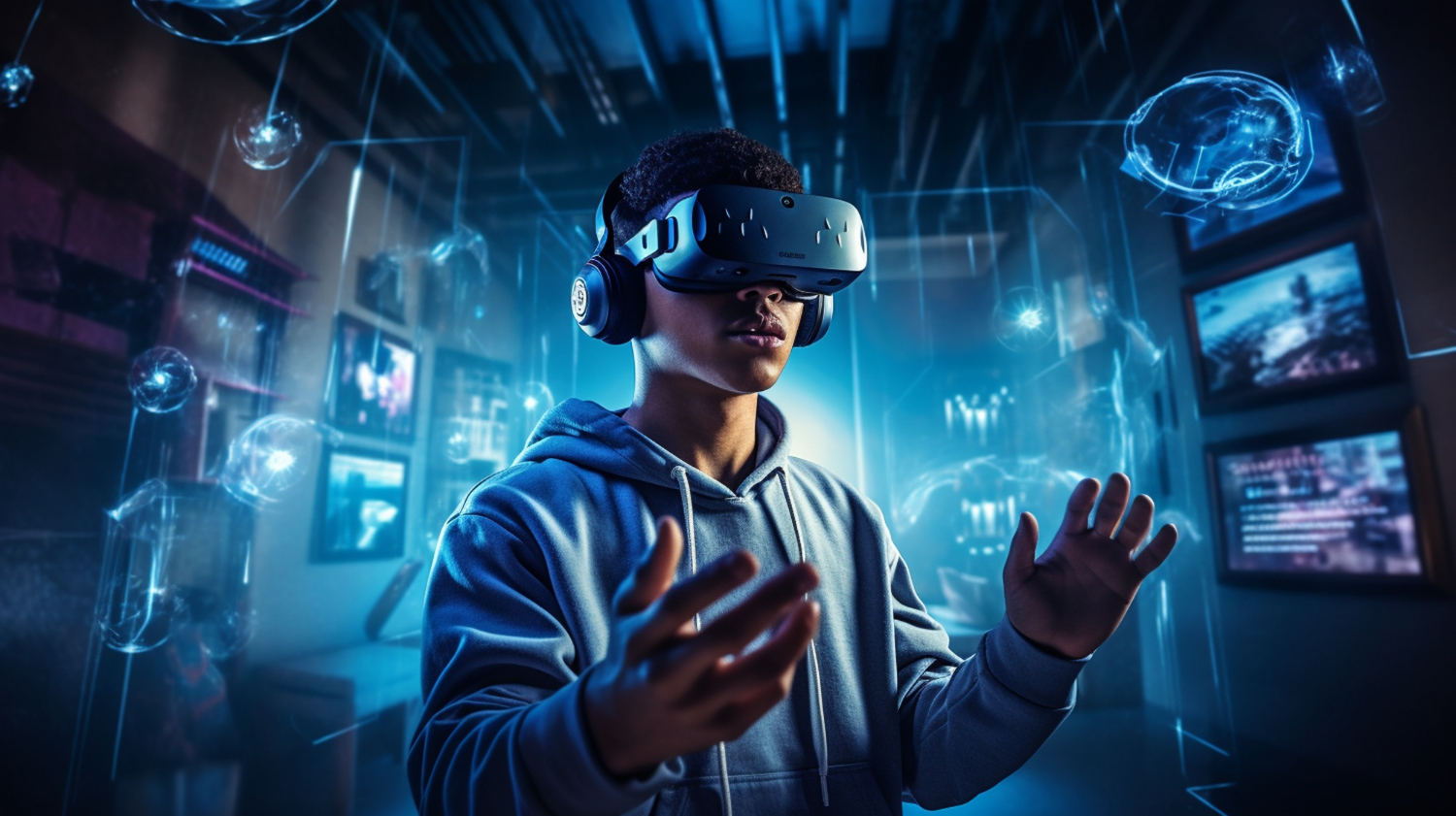

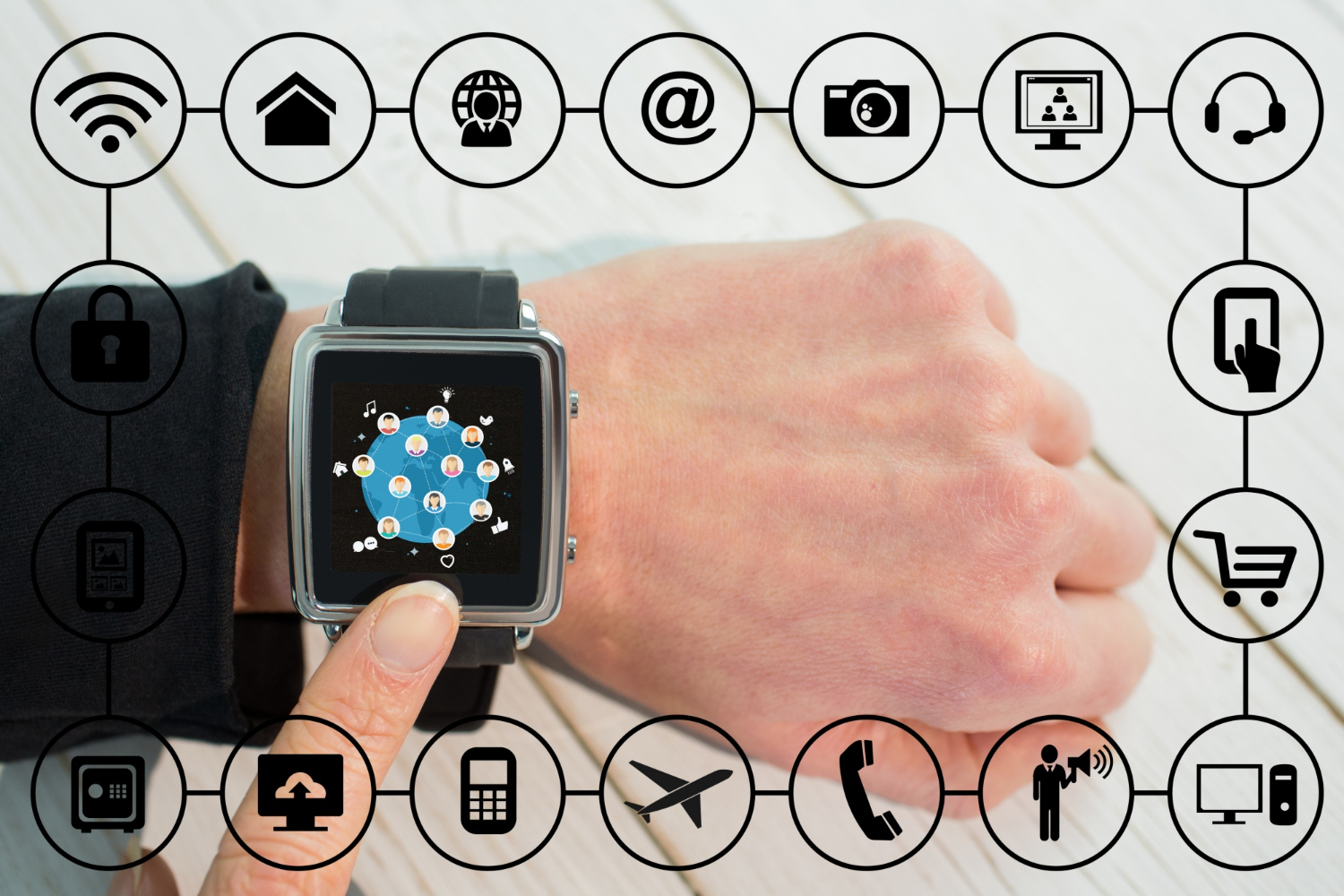
In the past decade, wearable technology has quietly shifted from novelty gadgets to essential companions woven into our daily routines. What began with simple step counters has evolved into an ecosystem of smart devices that monitor our health, guide our workouts, streamline communication, and even enhance personal safety. As innovation accelerates, wearable tech is no longer just a trend—it’s a lifestyle transformation.
One of the biggest revolutions wearables have brought is real-time health monitoring. Smartwatches and fitness bands now track heart rate variability, sleep patterns, stress levels, and even blood oxygen saturation.
These insights empower users to:
Detect irregular health patterns early
Build better sleep habits
Monitor chronic conditions
Stay proactive about overall wellness
What once required bulky equipment—or a doctor’s office—now sits comfortably on your wrist.
Wearables have turned fitness into a data-driven experience. From counting steps to tracking workouts to recommending recovery strategies, wearables tailor fitness plans to individual needs.
Many devices now:
Create adaptive training plans
Offer form-correcting guidance
Measure VO2 max for performance optimization
Gamify workouts with challenges and rewards
Fitness isn’t one-size-fits-all anymore. Wearable tech makes it personal.
Smartwatches have become miniature communication hubs. With a quick tap or voice command, users can:
Read and send messages
Take calls
Check notifications
Control smart home devices
These micro-interactions reduce phone dependency and streamline how we stay connected throughout the day.
Modern wearable devices include features that can detect emergencies and act instantly.
Examples include:
Fall detection and automatic SOS alerts
Real-time location sharing
Panic buttons integrated into jewelry
Safety apps triggered by gesture controls
These features provide peace of mind—not only for users, but also for their loved ones.
Wallet? Keys? Not needed.
Contactless payment via wearables has expanded globally, allowing users to pay instantly with a wristflip. Smart rings and watches also serve as access passes—unlocking doors, logging into computers, or starting cars.
Convenience is quickly becoming hands-free.
Industries are adopting wearables for efficiency and safety:
AR glasses for engineering and manufacturing
Smart helmets for construction safety
Wearable scanners for logistics and retail
Productivity trackers for employees and students
These tools accelerate workflows, reduce errors, and improve collaboration.
Wearable tech is heading toward deeper integration into daily life. Expect innovations like:
Smart clothing with woven sensors
Non-invasive glucose monitoring
AI-powered personal health assistants
Ultra-light AR glasses
Emotion-sensing wearables
The next generation of wearables will blend so seamlessly into our bodies and routines that we may forget we’re using them at all.
Wearable technology has moved far beyond counting steps—it’s reshaping how we live, work, communicate, and care for our health. As these devices grow smarter and more intuitive, they will continue to transform everyday life in ways we’re only beginning to imagine.
If you’re exploring how technology shapes the future, Amazing Tech Harbor is the perfect place to stay anchored to innovation.